
3 hr 30 min
Capo Carbonara Marine Reserve Boat & Snorkel Adventure
Explore Sardinia's protected waters by boat, snorkel with Mediterranean wildlife, and discover conservation efforts.
Reserve
Protected waters where granite meets coral, visibility measured in decades of clarity
Hand-picked by our editors — only the best 5 marine excursions from 47 reviewed.
Verified partners for every tour, free cancellation where available, and instant confirmation on every booking.
3 hr 30 min
Explore Sardinia's protected waters by boat, snorkel with Mediterranean wildlife, and discover conservation efforts.
Reserve
3 hr 30 min
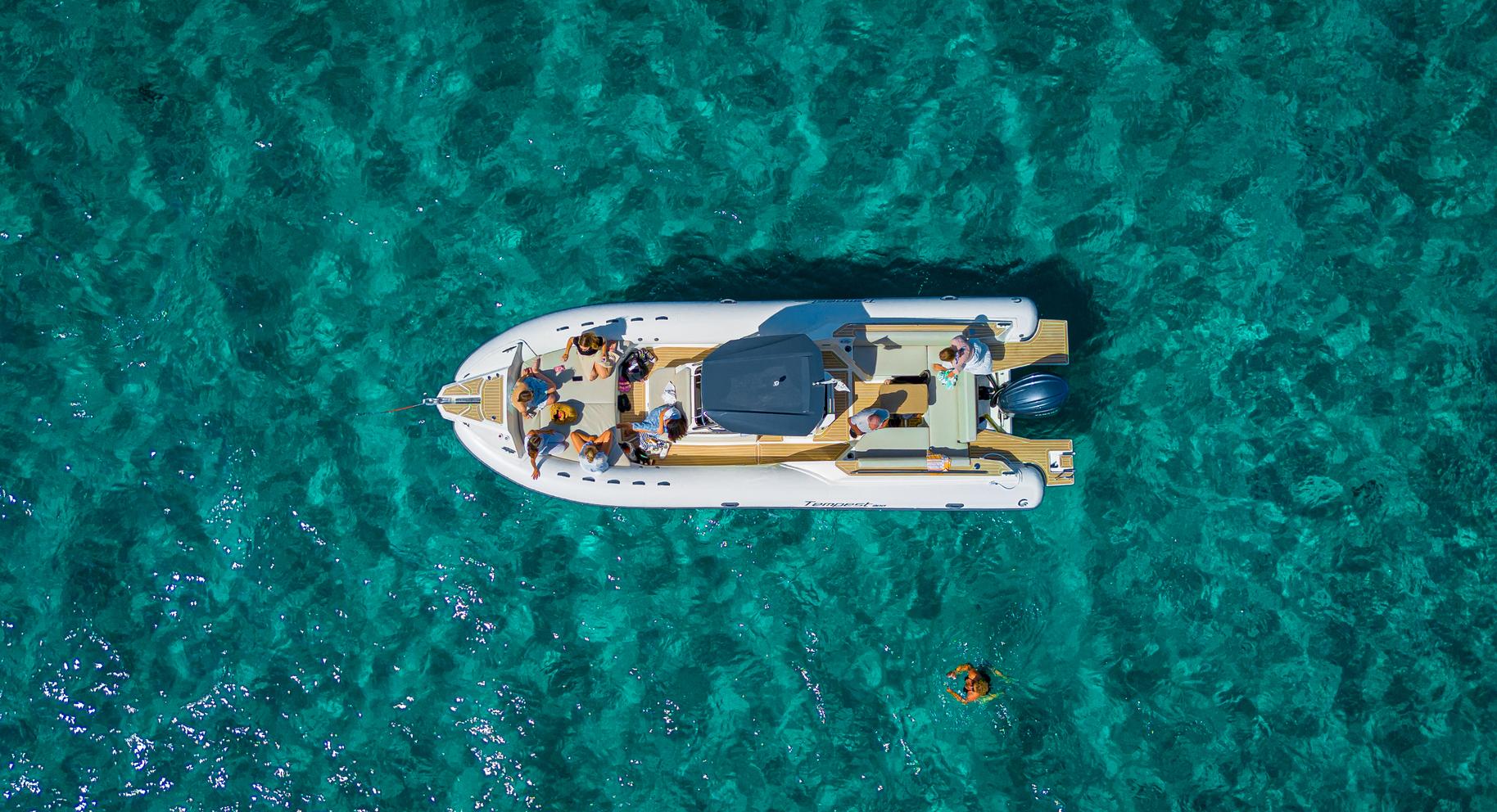
Sail a 10-meter speedboat through protected coves, snorkel turquoise waters, and sip Vermentino wine.
Reserve
3 hr 30 min
Discover hidden coves and snorkel around granite islands on this coastal adventure through protected waters
ReservePrices from verified partners. Availability updates in real time at checkout. Free cancellation policies apply where shown.
The landmarks, rooms, and views travelers on this tour remember — all visible on a single visit.
Home to a historic lighthouse and the submerged statue of the Madonna del Naufrago.
Renowned for its fine white sand and turquoise water inside the protected area.
Features a stunning lagoon often visited by pink flamingos.
An ancient Spanish watchtower built to guard the coast against invasions.
A famous shoal rich with diverse marine life and vibrant gorgonians.
The marine reserve excursions provide superior encounters with underwater biodiversity, while a day at Porto Giunco offers greater freedom for those preferring a relaxed coastal atmosphere.
| Feature | Top pick Capo Carbonara Tour | Porto Giunco Beach |
|---|---|---|
Access to marine life |
Direct access to reefs | Shoreline observation only |
Cost |
50-90 EUR (summer) | 0 EUR (public beach) |
Physical activity level |
Moderate swimming | Low to moderate |
Required gear |
Mask and snorkel | Towel and sunscreen |
Crowd levels |
Controlled group sizes | High during peak hours |
Flexibility |
Fixed departure times | High (visit anytime) |
| See tickets → |
Verdict: Choose the villasimius capo carbonara boat and snorkeling tour if you prioritize underwater exploration, whereas Porto Giunco is ideal for travelers seeking a flexible beach schedule that includes villasimius capo carbonara boat and snorkeling tour tours for variety.
Choose your ticket, select your date, and reserve in under two minutes. Secure checkout handled by our verified partner.
Instant confirmation by email, with a mobile voucher you can save offline. No printing, no queuing at a collection desk.
Arrive at the entrance, show your voucher on your phone, and walk in. Most tickets include priority or skip-the-line access.
Practical details for your visit straight from our verified partners — hours, access, rules, and how to get there.
09049 Villasimius, Italy
Check with your operator for specific pier/dock assignments.
Drive along the SP17 coastal road towards Villasimius; parking available at the marina.
Wear swimwear, comfortable light clothing, and a hat. Bring a light windbreaker for the boat ride during your villasimius capo carbonara boat and snorkeling tour.
Use small, waterproof dry bags for your personal items. Secure all belongings before boarding your vessel for a villasimius capo carbonara boat and snorkeling tour.
Underwater cameras are highly recommended to capture marine life. Please respect the habitat by not touching reefs or wildlife during your villasimius capo carbonara boat and snorkeling tour.
Some boat operators can accommodate specific accessibility needs if notified in advance. Confirm vessel boarding requirements before booking your villasimius capo carbonara boat and snorkeling tour.
The area is well-suited for families with calm, shallow waters in many zones. Always supervise children during every villasimius capo carbonara boat and snorkeling tour.
Most operators provide water, and some include light snacks. Check if your specific villasimius capo carbonara boat and snorkeling tour includes lunch or refreshments.
09049 Villasimius, Italy
Check with your operator for specific pier/dock assignments.
Get directionsBest time to go, insider tips, nearby landmarks, and the cancellation fine print — flip through to skim what matters to you.
How crowds, weather, and events shift across the year.
Warm water and fewer crowds make this the peak time for a villasimius capo carbonara boat and snorkeling tour. Water temperatures remain comfortable for long snorkeling sessions.
Small details that turn a good visit into a great one.
Reserve your villasimius capo carbonara boat and snorkeling tour well in advance during peak season. Morning Tours
Non-bookable sights within a short walk — free to visit, easy to pair.
Historical watchtower overlooking the sea with panoramic views.
Flexible, no hidden fees.
Full refunds are typically available for cancellations made within the operator's specified notice window. Entrance to the marine area is 0 EUR; fees apply only to private boat tour providers.
Hand-picked options within walking distance — pick a district for vibe, or a specific hotel for convenience.
Seaside hotel near the reserve
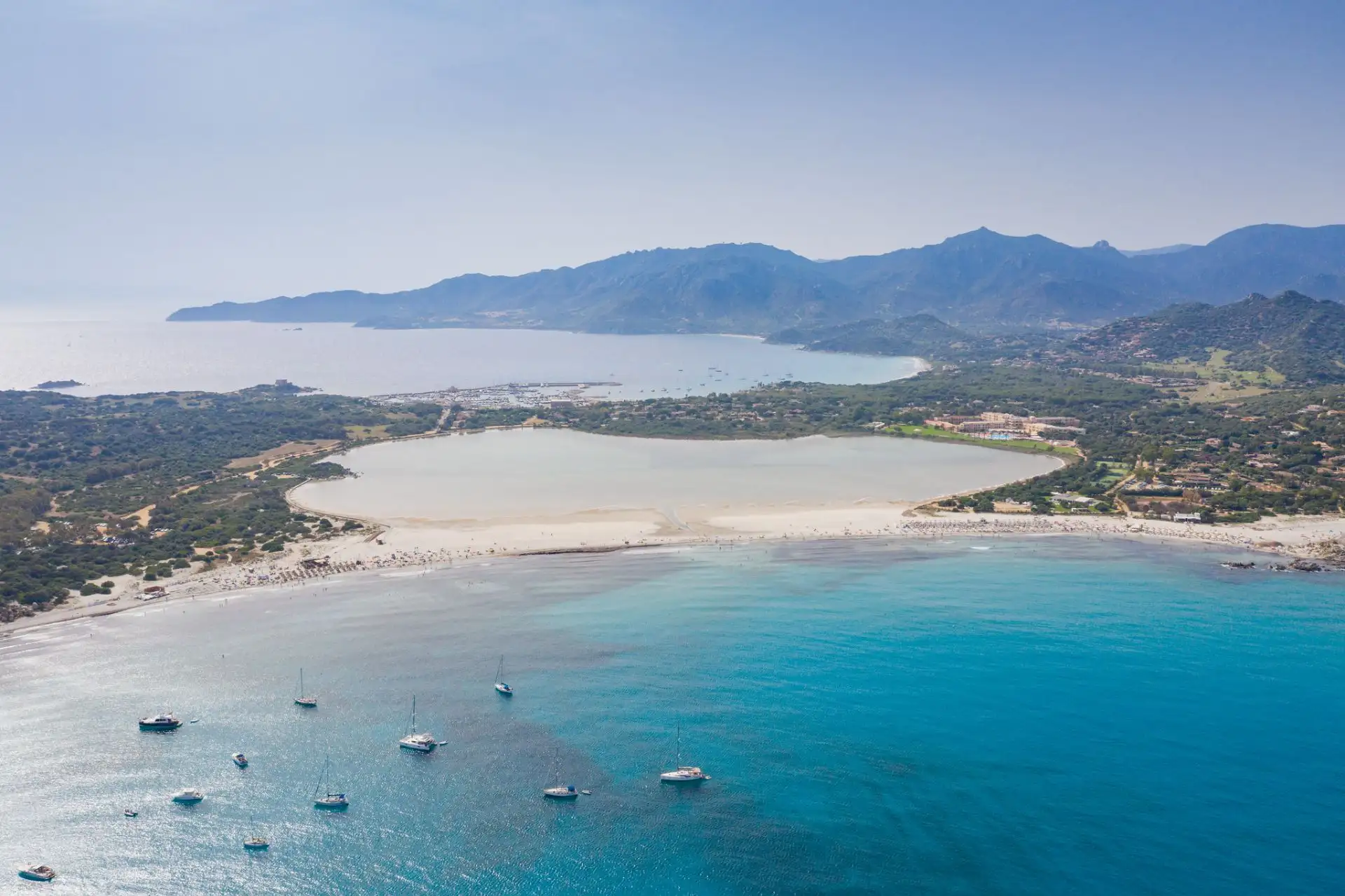
The Area Marina Protetta Capo Carbonara was established in 1998 as Sardinia's first marine protected area, spanning 86 square kilometers of southeastern coastline where the Tyrrhenian Sea meets exposed granite headlands. The reserve extends from Punta Molentis north to Capo Boi, encompassing the uninhabited islands of Cavoli and Serpentara, both ringed by Posidonia oceanica meadows that anchor one of the Mediterranean's healthiest reef ecosystems. Water visibility here regularly exceeds thirty meters between May and October, a clarity sustained by strict zoning that prohibits commercial fishing and limits motorized access to designated corridors. Capo Carbonara's underwater topography is defined by submerged granite shelves that descend in stepped terraces from five to forty meters, creating habitat stratification rare in the western Mediterranean. Loggerhead sea turtles nest on Cala Pira's eastern shore, while grouper and barracuda populations have rebounded since protection began, now visible on nearly every guided snorkeling route. The reserve's four protection zones escalate from general reserve status at the periphery to Zone A integral reserves around Isola dei Cavoli and Serpentara, where human access is permitted only with certified guides and anchoring is forbidden year-round. Villasimius, the reserve's gateway town, was a Roman waystation known as Carbonaria during the imperial grain trade, its harbor serving as a shelter point for vessels moving between Ostia and Carthage. The modern settlement grew around a sixteenth-century Spanish watchtower, now part of the town's archaeological museum, which displays amphorae recovered from Bronze Age wrecks scattered across the reserve's outer limits. The marine park's headquarters on Via Roma operates a real-time monitoring network tracking water temperature, salinity, and cetacean movements, data accessible to tour operators who adjust routes based on current sightings and seasonal migrations. Snorkeling excursions from Villasimius follow approved routes that prioritize shallow reef systems between three and eight meters, where sunlight penetration supports the densest coral formations and the highest fish diversity. Operators certified by the reserve authority conduct pre-departure briefings covering no-touch protocols, ballast management to prevent seagrass damage, and emergency procedures coordinated with the Guardia Costiera station at Porto di Villasimius. September through early October offers the warmest sea temperatures, averaging 24°C, while July and August bring peak demand and afternoon maestrale winds that can reduce visibility and limit access to exposed sites along the cape's southern face.
"Water visibility here regularly exceeds thirty meters between May and October, a clarity sustained by strict zoning that prohibits commercial fishing."
A step-by-step walkthrough of the visit — what you'll see, how long each stage takes, and the details that matter.
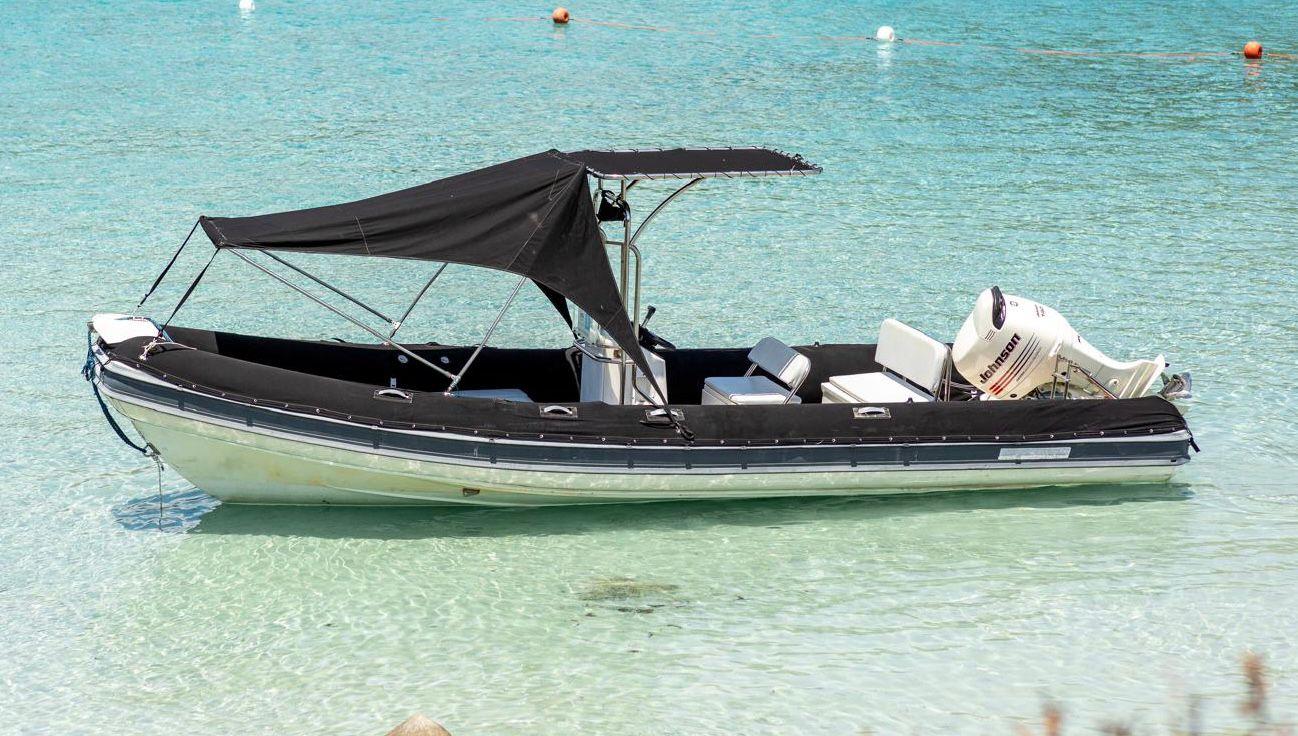
You board at Villasimius harbor between seven and nine in the morning, depending on your chosen operator, stepping onto a rigid inflatable or traditional gozzo fitted with swim ladders and shaded canopy. The skipper briefs you on the day's route as the boat clears the breakwater and turns southeast toward the cape, passing the white sand crescent of Spiaggia del Riso within ten minutes. The first snorkeling stop arrives at Isola dei Cavoli's northern shelf, where you descend a ladder into water so clear the anchor chain remains visible fifteen meters below. You float above granite boulders colonized by orange sea fans and yellow sponges, damselfish darting through crevices as you follow the guide along a marked corridor. The second stop typically occurs at Cala Caterina or Punta Molentis, shallower sites where Posidonia meadows give way to sand channels frequented by cuttlefish and juvenile grouper. Between dives, the crew distributes water and points out the Serpentara lighthouse, its nineteenth-century tower visible four kilometers offshore. The return leg hugs the coastline, offering views of the cape's granite formations and secluded coves accessible only by sea, before docking back at Villasimius by early afternoon, leaving you with salt-dried skin and a memory of fish density most Mediterranean harbors lost decades ago.
The marine area is open daily from 07:00–20:00.
Entry to the marine area is 0 EUR, but private boat tour providers charge for their services.
The best arrival window is 07:00–10:00 to enjoy the best light and calmest sea conditions.
Most tickets include equipment, a guide, and sometimes refreshments for your villasimius capo carbonara boat and snorkeling tour.
Yes, these tours are generally family-friendly; please check with the operator for age restrictions.
Most providers include mask, snorkel, and fins, but you may bring your own if preferred.
Access depends on the specific vessel; please contact your tour provider before purchasing tickets.
You can book through official local operators at the Marina di Villasimius.
Yes, the Fortezza Vecchia and Porto Giunco beach are excellent additions to your visit.