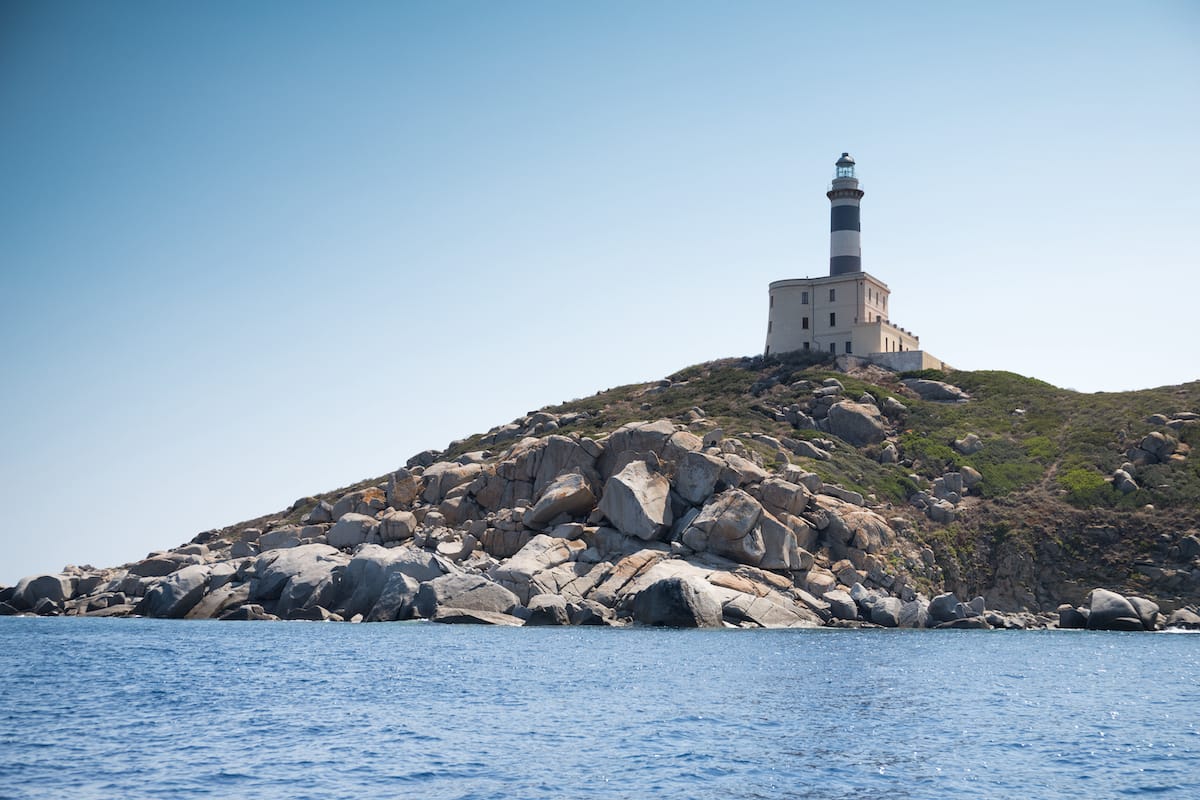
Isola dei Cavoli
An island home to a historic lighthouse and surrounding waters known for grouper populations. Observe the rock formations on the northern side.
Look for the lighthouse from the water to orient yourself.

Capo Carbonara sprawls across 86 square kilometers of protected Mediterranean waters at Sardinia's southeastern tip. Most visitors arrive by boat to reach the coves, granite outcrops, and snorkeling zones that lie beyond road access. This guide covers departure logistics, the route options, and what each stop offers.
Quick answer
The marine protected area around Capo Carbonara is open year-round with free access, though boat tours operate primarily April through October. Most departures leave from Villasimius harbor between 9:00 and 10:00, running three to five hours and stopping at Cala Caterina, Punta Molentis, and the waters around Serpentara Island. Summer weekends see the highest boat traffic; early morning slots offer calmer conditions and fewer vessels at anchor.
Capo Carbonara holds Italy's third-largest marine reserve, established in 1998 to protect posidonia meadows, grouper populations, and the granite seamounts that rise abruptly from depths exceeding forty meters. The protected zone wraps the entire southeastern headland of Sardinia, encompassing Serpentara and Cavoli islands, and enforces strict anchoring rules to preserve the seabed. Visitors exploring by private vessel must observe no-anchor zones marked by yellow buoys; commercial tour operators hold permits that allow mooring at designated coordinates. Most capo carbonara tour itineraries follow a clockwise arc from Villasimius, threading between the mainland cliffs and Serpentara Island before turning south toward the lighthouse at Capo Carbonara proper. The route prioritizes snorkeling stops where visibility regularly exceeds twenty meters and the granite boulders create shelter from prevailing winds. Cala Caterina and Punta Molentis appear on nearly every schedule; both offer white sand tongues between pink granite formations and shallow entry zones suitable for novice swimmers. Serpentara's eastern shore, accessible only by water, provides the clearest conditions but lacks shade—crews typically limit stops there to thirty minutes during midday hours. Boat size determines the experience more than price. Rigid inflatables carrying ten to twelve passengers move quickly between coves and can nose into shallows larger vessels avoid, while sailing catamarans trade speed for deck space and onboard facilities. Departure times cluster in the morning because afternoon winds build reliably after 13:00, particularly June through August, making return passages choppy and extending travel time. Operators include snorkeling gear in the base fare; underwater cameras, wetsuits, and paddleboards appear as paid add-ons. The marine protected area prohibits fishing, shell collecting, and removal of any biological material, enforced by seasonal patrols that also monitor vessel speed limits within the reserve boundaries. Autumn offers the longest window of calm seas with thinner crowds, though water temperature drops below twenty degrees Celsius by late October. Spring conditions prove more variable—transparent water and wildflower bloom on the islands offset the risk of cancellations during unsettled weather patterns that linger into May.
“The protected zone wraps the entire southeastern headland of Sardinia, encompassing Serpentara and Cavoli islands, and enforces strict anchoring rules to preserve the seabed.”
The most favorable period to visit Capo Carbonara is during the shoulder months, prioritizing a morning arrival window to ensure a tranquil experience. Arriving between 07:00–10:00 is essential to avoid mid-day crowds and the peak intensity of the Mediterranean summer heat.
Warm, 20°C to 27°C
These months offer pleasant temperatures and manageable visitor numbers before the peak season begins.
Hot, 28°C to 35°C
Expect significant maritime traffic and high temperatures; early morning departures are strictly necessary for comfort.
Mild, 22°C to 28°C
Sea temperatures remain warm, providing a calm environment for coastal exploration with fewer crowds.
—
Visiting on weekdays between 07:00 and 10:00 provides the highest probability of quiet conditions at the coves.
Verdict: For the most peaceful experience, plan your tour for a weekday morning during the months of May, September, or October.
The Capo Carbonara Marine Protected Area remains accessible to visitors throughout the entire week. As a natural marine environment, the area does not adhere to standard gated operating schedules.
Capo Carbonara is located at the southeastern tip of Sardinia in the municipality of Villasimius. Access is primarily gained via the road network leading to the port area or via private boat tours departing from the local marina.
SP17 coastal road towards Villasimius
ARST Line 101 from Cagliari to Villasimius
Departure from Marina di Villasimius
To secure parking and avoid congestion, aim for the best arrival window of 07:00–10:00. Arriving early ensures easier access to departure points at the marina before the mid-day heat and peak visitor numbers.
The Capo Carbonara Marine Protected Area spans a diverse range of coastal ecosystems, characterized by granite cliffs, submerged reefs, and sheltered sandy coves. Exploring these zones by boat provides access to specific biological and geological points of interest within the protected waters.
An island home to a historic lighthouse and surrounding waters known for grouper populations. Observe the rock formations on the northern side.
Look for the lighthouse from the water to orient yourself.
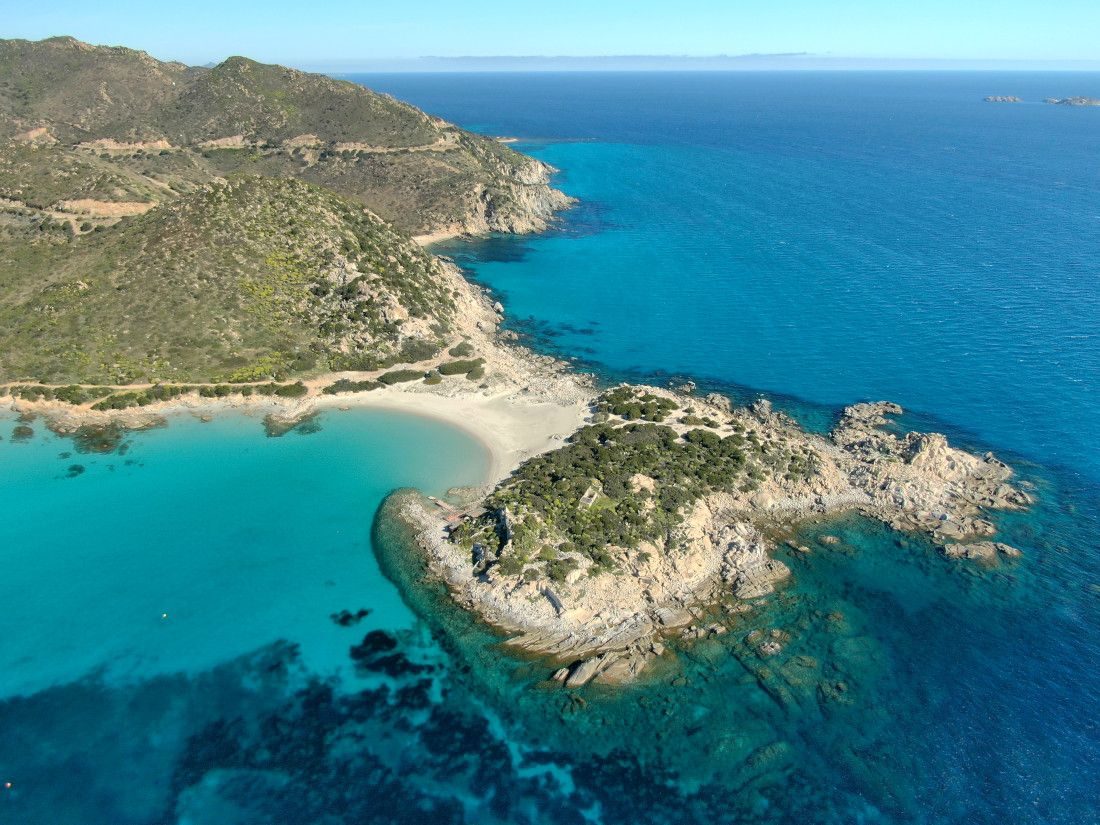
A narrow isthmus featuring turquoise waters and fine white sand backed by rocky terrain. Access this cove early to avoid anchored vessels.
Approach by sea for a clear view of the sandbar.
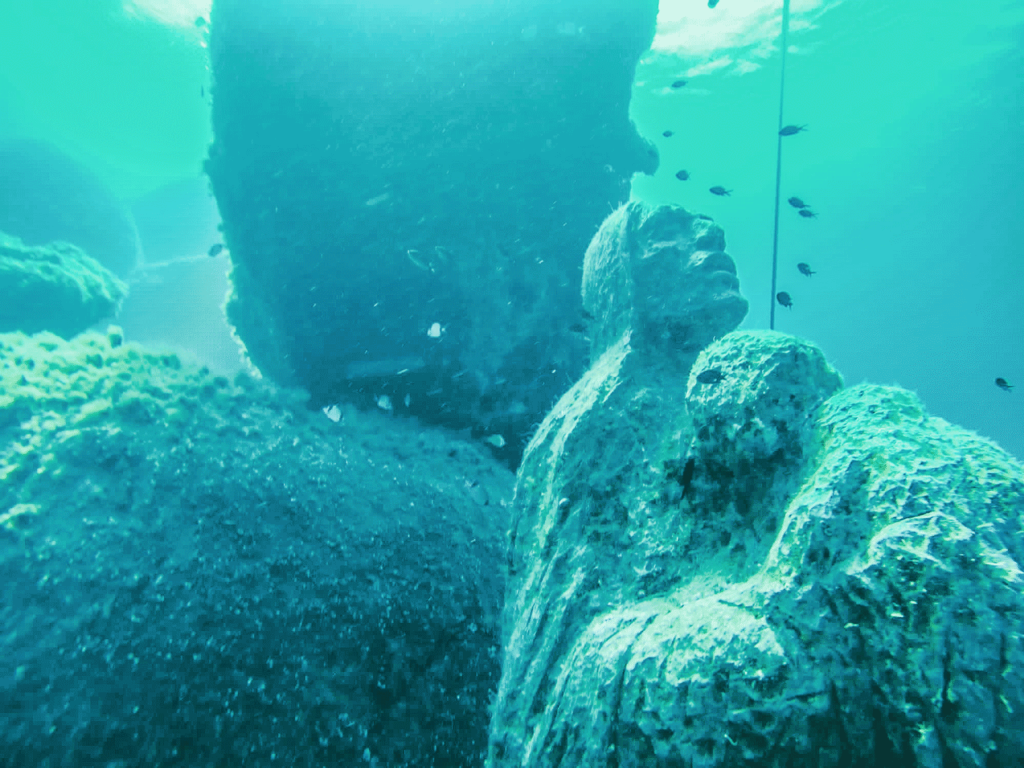
A submerged statue located near Isola dei Cavoli, positioned as a protector of sailors. The site is accessible to divers and snorkelers.
Use a polarized lens to see the statue underwater.
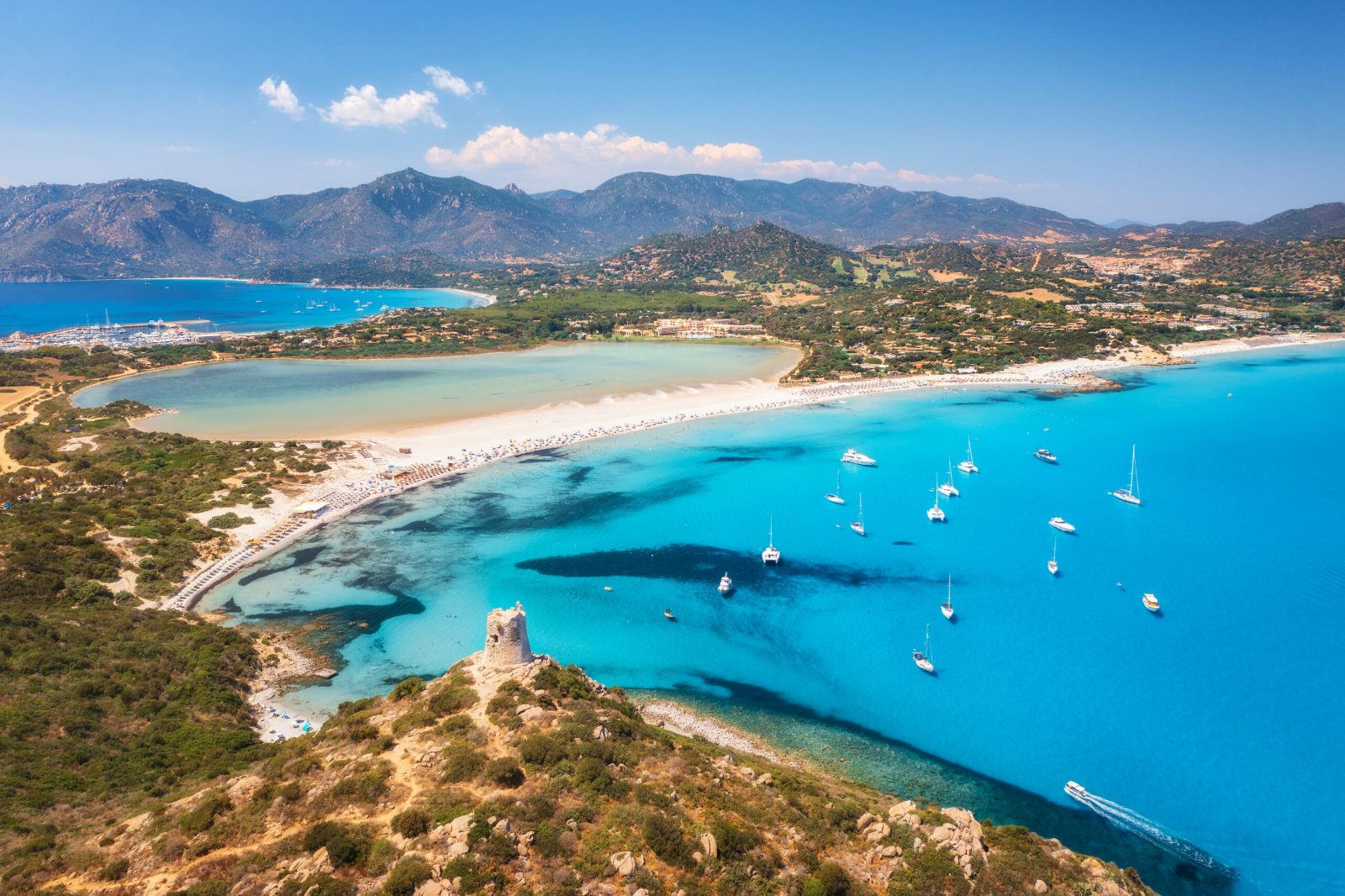
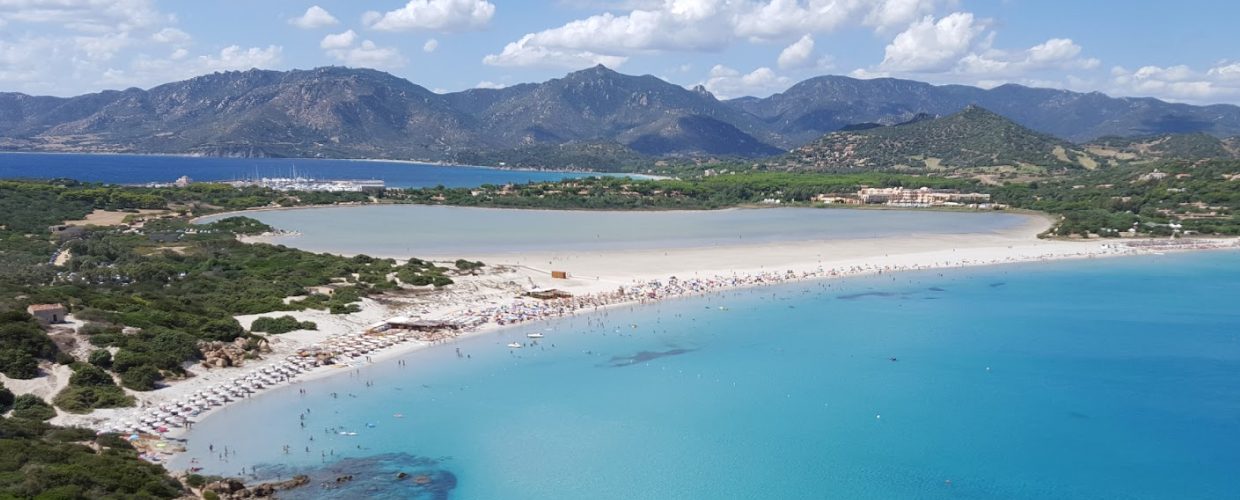
A bay protected by a long stretch of sand that separates the sea from Notteri Pond. The area is a primary habitat for flamingos in the adjacent lagoon.
View the sandbar from the boat deck to see both basins.
A day on the water around Capo Carbonara requires specific gear and advance planning for boat access.
Everything you need to know about capo carbonara tour
The entrance fee is 0 EUR as the marine area is open access. While you may encounter costs for a private capo carbonara tour, the sea itself remains free to explore. Always confirm if your operator includes gear hire in their service rates.
The site is open 24 hours a day, from Monday through Sunday. You can plan your visit at any time, though natural light and weather conditions should guide your schedule. This open access allows for flexible planning during your holiday.
To avoid mid-day crowds and summer heat, the best arrival window is 07:00–10:00. Starting your boat trip early ensures a peaceful experience at the coves and pristine swimming conditions. This timing is ideal for those seeking clear Mediterranean waters without the peak afternoon rush.
You can search for a reputable Villasimius boat trip via local booking platforms or hotel concierge services. Ensure your chosen provider is authorized to operate within the protected zone to support sustainable tourism. Comparing listings allows you to select the maritime experience that best suits your group size.
Yes, as a Marine Protected Area, specific regulations are in place to preserve the local biodiversity, including seagrass meadows and native fish species. Visitors must respect all environmental guidelines, such as avoiding anchoring in restricted zones. Following these rules helps protect the delicate ecosystem for future visitors.
Private charters are often family-friendly and provide a comfortable environment for children to enjoy the coastal sights. Be sure to check with your captain regarding safety equipment and suitable stops for younger swimmers. Exploring the coast this way provides a secure and informative outing for all ages.